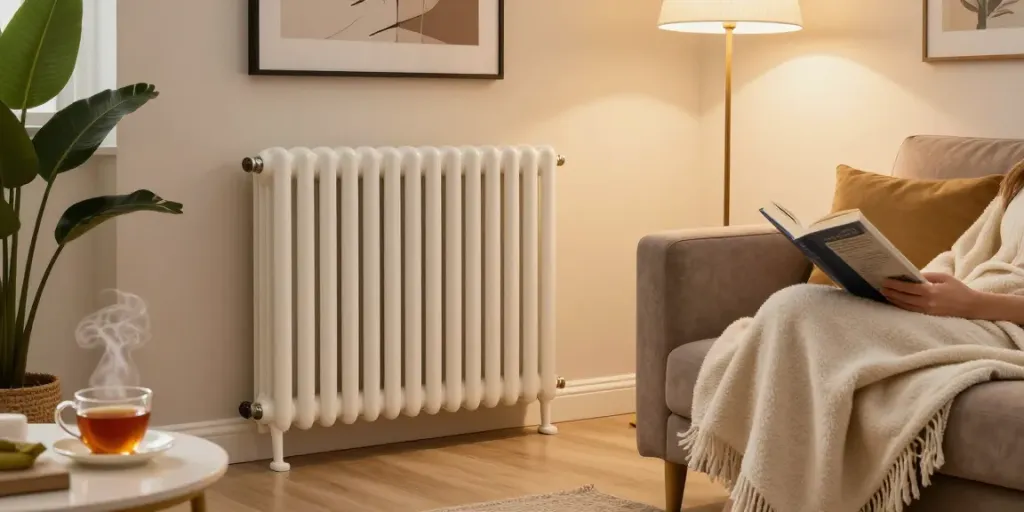
Understanding Ceramic Radiators in 2026
Ceramic radiators have emerged as a leading option in modern heating solutions, known for their energy efficiency and user-friendly features. A ceramic radiator utilizes a ceramic core to absorb and gradually release heat, ensuring a consistent and comfortable temperature in your indoor spaces. As energy costs rise and environmental concerns grow, these units provide an innovative answer, balancing performance with sustainability. When exploring options, ceramic radiator technology stands out for its ability to optimize energy usage while delivering warmth effectively, making it an intelligent choice for homeowners.
What Are Ceramic Radiators and How Do They Work?
A ceramic radiator is a type of electric heating device that relies on a ceramic core for efficient heat retention and circulation. Unlike traditional heaters that primarily depend on convection, ceramic radiators utilize the thermal mass properties of ceramics. When electricity is supplied, the heating element warms the ceramic core, which then radiates heat into the room even after the unit has been switched off. This method of heating ensures that rooms remain comfortably warm, maximizing energy efficiency. Additionally, many models are equipped with digital thermostats and programmable settings, allowing for further control over heat output and duration, thereby reducing unnecessary electricity consumption.
Key Benefits of Using Ceramic Radiators
- Energy Efficiency: Ceramic radiators convert nearly all the electricity they consume into heat, with minimal heat loss during operation.
- Quiet Operation: Many models operate silently, utilizing natural convection rather than fans, making them ideal for bedrooms and quiet spaces.
- Rapid Heating: Ceramic cores heat up quickly and can maintain warmth for an extended period, resulting in less frequent cycling of the heater.
- Versatile Installation: With plug-and-play models available, ceramic radiators can be easily installed without the need for complex plumbing or extensive electrical work.
- Smart Technology Integration: Many ceramic radiators now come with Wi-Fi capabilities, allowing users to control their heating remotely via smartphone applications.
Common Misconceptions About Ceramic Heating Technology
Despite their numerous advantages, misconceptions about ceramic radiators persist. One prevalent myth is that ceramic radiators are expensive to run. While the upfront costs may vary depending on the model and features, the operational costs are often lower compared to traditional heating options, particularly oil-filled radiators. Another common misconception is that ceramic radiators are not powerful enough to heat larger spaces. However, with the right wattage and strategic placement, these units can effectively warm a variety of room sizes. Understanding these aspects helps consumers make more informed decisions about their heating needs.
Comparing Ceramic Radiators to Other Heating Solutions
Ceramic Radiators vs. Oil-Filled Radiators: A Comparison
When comparing ceramic radiators to oil-filled radiators, one should consider several critical factors: efficiency, heating time, and temperature maintenance. Ceramic radiators heat up faster and can maintain warmth for longer periods due to their efficient heat retention capabilities. In contrast, while oil-filled heaters do provide steady heat, they often take longer to warm up and don't retain heat as effectively once turned off. Moreover, the maintenance and operational costs associated with oil-filled systems can be higher due to the need for regular servicing and potential leaks.
Alternative Heating Options: Pros and Cons
Aside from ceramic and oil-filled radiators, various other heating options are available, including convection heaters, infrared heaters, and traditional central heating systems. Each option comes with its own set of advantages and disadvantages. For instance, convection heaters are typically faster at heating a room but can create drafts as they circulate air. Infrared heaters provide targeted warmth but might not be suitable for larger spaces. Central heating systems can be efficient for whole-home heating but often require extensive installations and ongoing maintenance.
Choosing the Right Heater for Your Home
Selecting the appropriate heating solution for your home depends on various factors, including room size, insulation quality, and heating requirements. For smaller spaces or individual rooms, a ceramic radiator can provide efficient and controllable heating without the need for a full central heating installation. Conversely, larger homes may benefit from a combination of heating options to optimize comfort and efficiency across various areas.
Energy Efficiency and Running Costs
Are Ceramic Radiators Cheap to Run?
Many homeowners are concerned about the operational costs of heating systems, and ceramic radiators often prove to be a cost-effective solution. The energy efficiency of a ceramic radiator can lead to lower electricity bills, particularly when compared to other heating technologies. Their ability to retain heat means that they can often run less frequently while still maintaining a comfortable ambiance.
Calculating Your Heating Costs Accurately
To effectively manage heating expenses, it's essential to calculate running costs based on the power rating of the radiator (in kW), its usage duration, and the local electricity rate. For example, if a ceramic radiator uses 1kW of power and runs for 2 hours, the cost at an electricity rate of £0.30 per kWh would be approximately £0.60. Understanding these calculations helps homeowners budget effectively and make informed decisions regarding heater settings and usage schedules.
Tips to Optimize Energy Use with Ceramic Radiators
- Utilize Timers: Set up heating schedules that align with when you are home for optimal energy use.
- Regulate Temperatures: Use programmable thermostats to maintain desired temperatures without unnecessary heating.
- Regular Maintenance: Ensure that your ceramic radiator is in good working condition to maximize efficiency and longevity.
- Draft-proofing: Insulate windows and doors to prevent heat loss, which can help maintain comfort levels.
Selecting the Right Ceramic Radiator for Your Needs
Key Features to Look For in a Ceramic Radiator
When selecting a ceramic radiator, consider features such as size, wattage, control mechanisms, and any additional functionalities like Wi-Fi control or smart home integration. Accurate thermostats for precise temperature control and programmable options for scheduling heating needs can greatly enhance your experience and energy savings.
Assessing Room Size and Heating Requirements
It's paramount to assess the room size to determine the wattage required for effective heating. For example, a room measuring up to 6 square meters may need a radiator rated between 400–600W, while larger spaces will require higher wattage. Consulting a heating specialist can provide tailored recommendations based on the specific characteristics of your home.
Special Considerations for Installation and Safety
While many ceramic radiators are designed for easy installation, it is critical to follow the manufacturer’s guidelines for safe usage. Check for any specific electrical or location requirements, particularly in wet areas like bathrooms, to ensure compliance with safety standards.
Frequently Asked Questions About Ceramic Radiators
Are ceramic radiators any good?
Yes, ceramic radiators are an excellent choice for efficient, controllable, and quiet heating. They provide superior heat retention and are particularly well-suited for specific rooms in your home, such as bedrooms and home offices.
Do ceramic radiators use a lot of electricity?
The electricity usage of ceramic radiators primarily depends on their wattage and how long they run. With proper sizing and effective programming, they can be quite economical to operate.
What are the disadvantages of a ceramic heater?
Some disadvantages include the initial purchasing cost and the need for careful placement to optimize heating efficiency. Additionally, their effectiveness can vary based on individual heating preferences and room characteristics.
How do I maintain my ceramic radiator?
Maintenance for ceramic radiators is minimal, but it is advisable to regularly check for dust accumulation and ensure that the vent areas remain clear. If any electrical concerns arise, consult a professional electrician.
Can I install a ceramic radiator myself?
Many ceramic radiators are designed for easy installation, making them suitable for DIY enthusiasts. However, ensure that any hardwired connections are performed by a qualified electrician to guarantee safety and compliance with regulations.